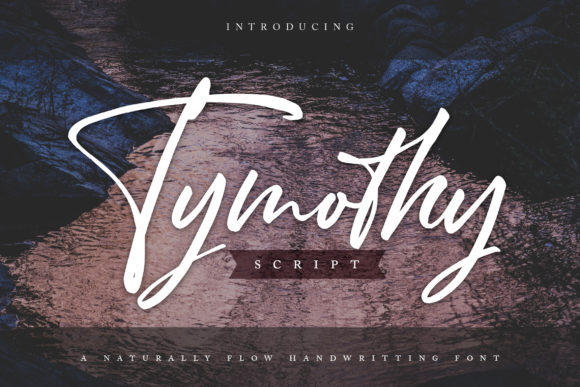
Jessica Honey Font: Quirky Handwritten Style for Web Design
Jessica Honey for Website Headers and Hero Sections
Jessica Honey is a script handwritten font that adds personality and warmth to digital interfaces. As a web designer, choosing the right font for a website header or hero section can define a brand’s tone and influence user engagement. Jessica Honey’s flowing, organic letterforms work exceptionally well for hero titles, landing page banners, and call-to-action sections where visual impact and emotional connection matter. Because of its decorative nature, it's best used at larger sizes—perfect for headlines that need to stand out without overwhelming the layout.
Jessica Honey in Landing Pages and Conversion-Focused Layouts
When designing high-converting landing pages, every visual element plays a role in guiding user attention. Jessica Honey, as a decorative script font, shines in headlines, subheaders, and short brand statements. Its unique character gives landing pages a human touch, making them feel more approachable and creative. Pair it with a clean sans serif font like Open Sans or Lato for body text to maintain readability while creating a clear visual hierarchy. Use Jessica Honey for benefit-driven phrases or product names to draw the eye and support persuasive design.
Using Jessica Honey for Online Store Branding and Banners
E-commerce brands thrive on visual identity, and Jessica Honey can be a key part of that digital presence. Whether it’s for a Shopify store’s hero banner, product tags, or promotional graphics, this handwritten font adds a boutique, artisanal feel. It works especially well for lifestyle brands, wellness shops, and creative marketplaces. When using Jessica Honey for banners or featured content sections, ensure sufficient contrast against background colors and test readability on mobile screens to maintain accessibility and visual clarity.
Jessica Honey for Creative Portfolios and Personal Websites
Creative professionals like designers, illustrators, and content creators benefit from using Jessica Honey to showcase their unique voice. In portfolio websites or personal branding pages, this font can be used effectively in logo headers, project titles, and testimonial quotes. Since it’s PUA encoded, special glyphs and alternate characters are accessible in design tools, allowing for custom lettering and stylistic touches without complex coding. This makes Jessica Honey a versatile asset for UI designers building branded web experiences.
How Jessica Honey Affects Readability and Visual Hierarchy
While Jessica Honey is visually engaging, it’s important to use it strategically for optimal readability. Due to its script nature, it’s best reserved for short text blocks such as headings, quotes, and button labels rather than long-form content. On mobile screens, ensure that font sizes are responsive and that text remains legible on both light and dark backgrounds. For accessibility, avoid placing Jessica Honey over busy image overlays without sufficient contrast or text shadowing to maintain clarity.
Jessica Honey for Digital Ads and Social Media Graphics
In fast-paced digital marketing, grabbing attention quickly is key. Jessica Honey adds a playful, authentic tone to social media graphics, Instagram stories, and Facebook ads. Its handwritten style makes promotional content feel more personal and relatable—ideal for lifestyle brands, coaches, and small businesses. When used in digital ads, Jessica Honey can help reinforce brand consistency across platforms. Pair it with a modern sans serif font in design mockups to keep the message clear and the design balanced.
Font Pairing Tips with Jessica Honey in Web Design
Successful web typography often involves pairing Jessica Honey with complementary fonts to maintain balance and usability. For a modern, minimalist layout, pair it with a clean sans serif like Montserrat or Raleway for body text and navigation menus. For more editorial or luxury-focused designs, consider a serif font like Playfair Display for subheadings or quotes. The key is to let Jessica Honey serve as the standout element while supporting fonts provide structure and readability throughout the site.
Licensing and Technical Considerations for Jessica Honey
Before integrating Jessica Honey into a live website or client project, confirm the font’s licensing terms. Most premium script fonts include commercial use rights for websites, landing pages, online stores, and digital templates. Check if the font package includes webfont formats like WOFF or TTF for seamless integration into CSS. Also, verify multilingual support and alternate character sets—especially if the font will be used in international branding or multilingual digital products.
Jessica Honey for Course Sales Pages and Membership Sites
Educational websites, online course platforms, and membership sites benefit from using Jessica Honey to create a welcoming and trustworthy atmosphere. It works well in course titles, instructor bios, and testimonials to add warmth and authenticity. On sales pages, Jessica Honey can highlight key benefits or emotional selling points that resonate with potential buyers. Just be sure to maintain a clean layout around the font to avoid visual clutter and ensure users can quickly scan and absorb the content.
Designing with Jessica Honey on Dark and Light Backgrounds
Jessica Honey performs well on both dark and light backgrounds, but contrast is crucial. On dark backgrounds, use a bright white or soft pastel text color to ensure legibility. On light backgrounds, consider using a subtle drop shadow or border to separate text from underlying images. Always test the font in different lighting conditions and on multiple devices to ensure it remains readable and visually consistent across platforms.